

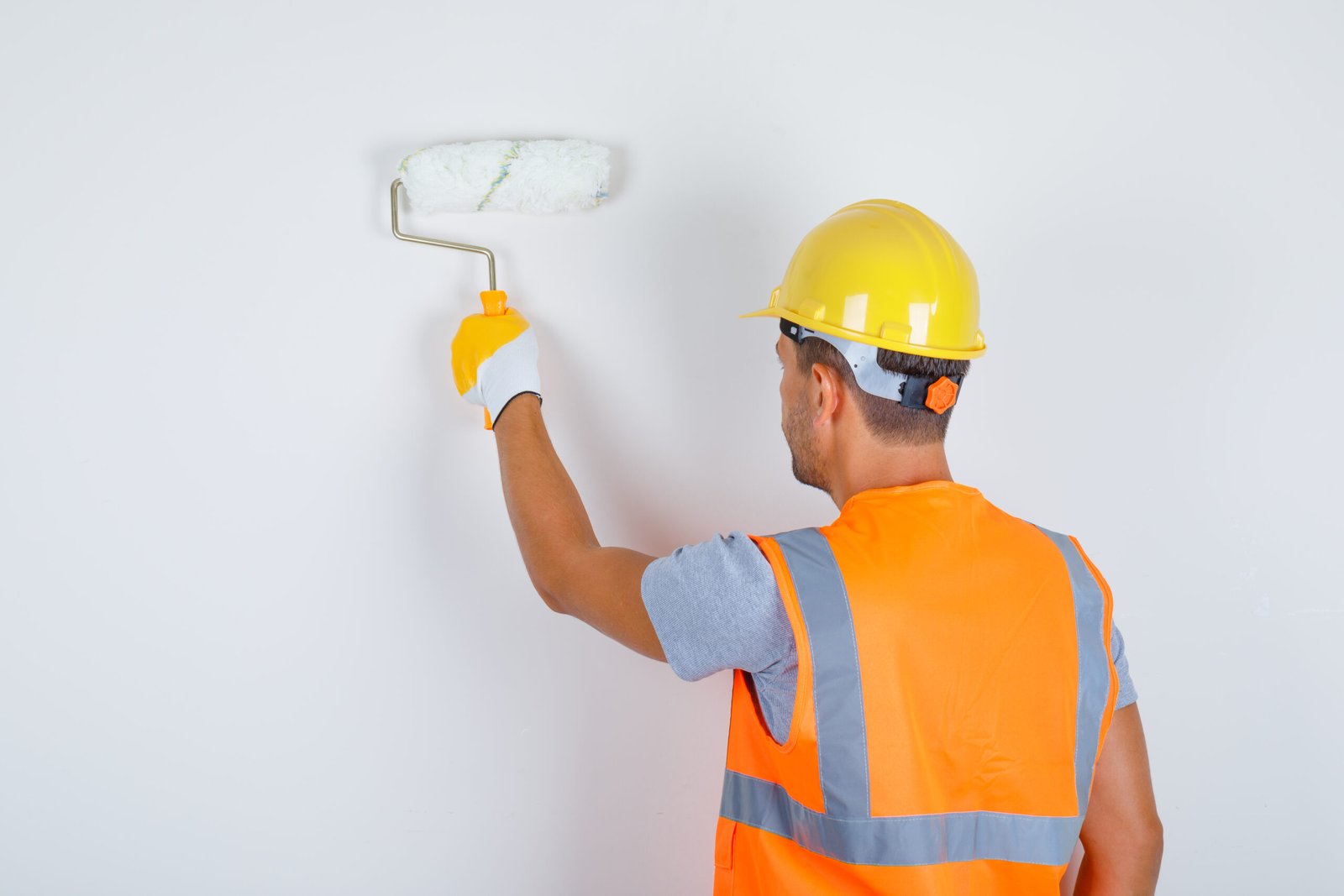
Many homeowners start interior painting projects without a clear idea of the overall cost, often choosing to do it themselves to save money. However, the scope of the work and the mess involved can quickly become overwhelming. As a result, more than half eventually decide to hire a professional to complete or correct the job. Trying to cut costs by DIY can sometimes lead to additional expenses when professionals need to fix mistakes.
Interior paint can be expensive, especially for those new to painting. While hiring a professional might seem costly upfront, it can be more economical in the long run. Depending on the type and quality of paint used, estimates for painting an interior can reach as high as $10,000. It’s important to weigh whether this investment is worthwhile for your situation. This article aims to provide you with a clear estimate of interior painting costs and offer practical tips to help you save money.
Why Hiring a Professional Painter Makes All the Difference
Hiring skilled painters to refresh your home’s appearance is an easy and effective way to enhance its charm and comfort. By relying on professionals, you can trust that your home will look stunning once the work is completed. They have the ability to transform an aging house into a revitalized space or help you bring your vision for a new home to life.
Below are some key reasons why many homeowners choose to hire expert painters for their projects:
- Painters possess specialized knowledge in color coordination and design that can elevate your home’s aesthetic appeal.
- Experienced painters have the expertise needed to handle complex painting tasks with precision.
- Professionals ensure the job is finished within the agreed timeframe and budget, delivering superior quality results.
- They can accurately estimate the amount of paint required, preventing the common issue of overspending seen with DIY attempts.
- Professional painters come equipped with all necessary tools and materials, including ladders, scaffolding, brushes, rollers, drop cloths, tape, mixers, protective clothing, buckets, and spray equipment, saving you the hassle and cost of renting.
- Thanks to their experience and proper equipment, they can efficiently manage large-scale painting projects without any difficulties.
Everything You Need to Know About Interior Painting Costs
What is the typical cost to paint the interior of a home? Generally, professional painters charge between $1.50 and $3.50 per square foot for interior wall painting. When including ceilings and trim, the price usually ranges from $3 to $4.50 per square foot.
Before hiring a painter, consider these important factors:
- What is the condition of the walls? Are there holes, dents, or other imperfections? Repairs will increase the overall cost.
- Will you be changing the wall colors? Are different rooms going to have unique colors? This often requires priming and additional undercoating. Drastic color changes typically need multiple paint coats.
- Are you planning to add special effects like textures or decorative wall designs? These details usually extend the project timeline and increase expenses.
If you’re simply refreshing the same color, you might not need a primer, which reduces costs significantly. Applying a new coat of the same color is generally more affordable.
Hiring a professional painter is beneficial because they can clearly outline the scope of work and the process involved. While you will still cover the cost of paint, professionals often have access to discounts that can lower your overall expenses when purchasing paint through them.
Factors Influencing Interior Painting Prices
Several key elements affect the cost of interior painting in Markham. These include the size and layout of the home, the quality and brand of paint chosen, preparation work needed on walls, and local labor rates. Each factor plays a direct role in the total price and helps homeowners understand how costs add up.
Home Size and Layout
The total square footage of the home is a major cost driver. Larger homes require more paint and longer working hours, increasing expenses. Open floor plans with fewer walls can reduce the amount of paint needed, while many small rooms or complex layouts raise the price due to additional cutting-in and detail work.
High ceilings and unusual architectural features like crown molding or built-in shelves also add to price. These areas require more skill and time to paint. Measuring the total paintable surface and the number of rooms helps estimate the job’s scale, which directly relates to the final cost.
Paint Quality and Brand
The type of paint selected impacts both cost and finish. Premium brands with better coverage and durability are more expensive upfront but can reduce the need for future coats. Cheaper paints might save money initially but may fade or require repainting sooner, increasing long-term costs.
Paint finishes also affect price. For example, eggshell and satin finishes are popular for walls and are typically moderate in cost, while semi-gloss or gloss finishes suitable for trim or doors are pricier due to the quality needed for a smooth finish. Paint with specialized properties like mildew resistance or low VOC levels can add to the cost but improve indoor air quality and durability.
Wall Preparation Requirements
Wall condition greatly influences painting costs. Walls with cracks, holes, or stains require extra prep work such as patching, sanding, or priming. This adds labor time and material costs. Older homes often need more preparation, especially if previous paint is peeling or damaged.
Smooth, clean walls reduce prep costs. However, surfaces with textured finishes or wallpaper removal needs increase charges. Proper preparation ensures longer-lasting results. Painters usually assess the job before quoting to factor any necessary repairs into the price.
Labour Costs in Markham
Labour rates in Markham fluctuate based on painter experience and project complexity. Skilled painters typically charge between $40 and $50 per hour. This rate reflects the quality of work, reliability, and time efficiency.
Job complexity also impacts labor cost. Detailed trim work or multi-color jobs require more precision and time than simple single-color walls. Local demand and seasonal factors can increase labor rates, with higher costs often seen in busy periods.
Homeowners should ask for clear quotes that include labor pricing to avoid surprises. Transparent pricing helps plan the budget accurately and select painters offering the best value.
Additional Charges to Consider
Costs for interior painting often go beyond just the paint and labor. Extra work on trim, ceilings, surface repairs, and fees for travel or materials can add to the final bill. Knowing these can help plan a more accurate budget.
Trim and Ceiling Painting
Painting trim and ceilings usually costs more than just painting walls. Trim requires careful cutting in and often multiple coats to cover properly. Ceilings need special rollers and sometimes priming, especially if they are textured or stained.
This work takes extra time and skill. Painters may charge by the linear foot for trim or by the square foot for ceilings. It’s common for these charges to be 10-20% higher than normal wall painting costs because of the detail and care involved.
Repairs and Surface Preparation
Repairing walls before painting can include patching holes, sanding rough spots, or removing old paint. This plays a big role in how much the job costs. If walls are damaged or uneven, prep work might double the time needed.
Surface preparation also involves cleaning and priming walls. Primer is needed especially when painting over dark colors or new drywall. This step helps paint cover better and last longer but adds to material and labor costs.
Travel and Material Fees
Travel fees can be added if the painter has to come from far away or make multiple trips. This fee covers the time and fuel needed to get to the job site.
Materials beyond paint, like brushes, rollers, tape, and drop cloths, may also be charged separately. Some painters include these costs in their quote, but others add them as extra fees.
How to Minimize the Cost on Interior Painting in Markham
There are clear strategies homeowners can use to reduce the cost of interior painting. Costs can be lowered by planning the right time, selecting affordable paint options, and handling some preparation tasks themselves.
Timing Your Project
Scheduling interior painting during slow seasons can lead to better prices. Painters often have fewer jobs in late fall or winter, which might result in discounts or more flexible rates.
Booking well in advance helps secure favorable dates and avoids rush fees. Avoiding peak seasons, like spring and summer, when demand is high, also reduces costs. Flexibility with project timing can give homeowners leverage to negotiate price or get additional services without extra charge.
Choosing Cost-Effective Paint
Not all paints cost the same. Selecting mid-grade paint instead of premium brands can significantly cut expenses without a major drop in quality.
Look for paints that offer good coverage with fewer coats. This saves paint and labor time. Buying paint during sales or in bulk can lower cost per gallon.
It’s important to avoid very cheap paint that may require multiple coats or chip faster. This can cause more cost in the long run.
DIY Preparation Tips
Handling prep work before painters arrive can reduce labor charges. Simple tasks like moving furniture, clearing walls, and cleaning surfaces make the job quicker and cheaper.
Homeowners can also patch small holes and sand rough spots themselves. This prevents painters from charging extra for these steps.
Using drop cloths, taping edges, and removing outlet covers ahead of time helps painters start on painting sooner, cutting total work hours. Doing these tasks requires time but often saves money.
Hiring Professional Painters in Markham
When hiring painters, it’s important to carefully check their experience and reputation. Asking the right questions helps avoid surprises. Knowing what happens during the painting work helps homeowners prepare and feel confident about the results.
How to Evaluate Paint Contractors
Evaluating painters starts with checking licenses and insurance to ensure protection if accidents occur. Homeowners should look for contractors with good reviews and a solid local reputation in Markham. Experience with similar-sized projects and quality materials signals professionalism.
Requesting written estimates from at least three painters allows comparing prices and services clearly. It also helps identify hidden fees or unclear terms. A detailed estimate should list prep work, number of coats, paint brands, and cleanup.
Proof of warranty or guarantee on workmanship and paint durability is another sign of a reliable contractor. Finally, contractors should be responsive and easy to communicate with before signing any agreement.
Questions to Ask Before Hiring
Before hiring, clients should ask:
- Does your estimate include all costs, like materials, labor, and cleanup?
- What paint brands and finishes do you recommend or use?
- How long will the project take and what is your work schedule?
- Are you insured and licensed for work in Markham?
- Can you provide references from recent customers?
- How will surface preparation be handled?
- What steps do you take to protect furniture and flooring?
- Is there a warranty or guarantee on the paint job?
Answers should be clear and detailed. This helps avoid miscommunication and sets realistic expectations.
Conclusion
In this article, we explored the key aspects of painting a house interior, along with typical cost estimates. Careful planning of your painting project will help ensure you achieve the desired outcome.
House Painters GTA brings more than a decade of experience assisting homeowners, businesses, and local communities with interior painting. We manage projects of all sizes and provide tailored advice to meet your unique requirements. Reach out to us today to find out more about our rates for interior House Painters Markham.
Related Posts

April 6, 2026
Step-by-Step Guide to Painting Your Home’s Interior
Refreshing your living space with a new coat of paint is one of the most…

March 30, 2026
Top Interior Paint Color Trends in Markham Homes
This article explores the latest interior house painting trends in Markham, providing homeowners with…

March 24, 2026
Room-by-Room Painting Guide for Markham Homeowners
Living in Markham, I recently had my home professionally painted, and the experience taught me…

March 16, 2026
Common Interior Painting Mistakes in Markham and How to Avoid Them
Painting your home can completely transform its look and feel. However, even small mistakes during…