

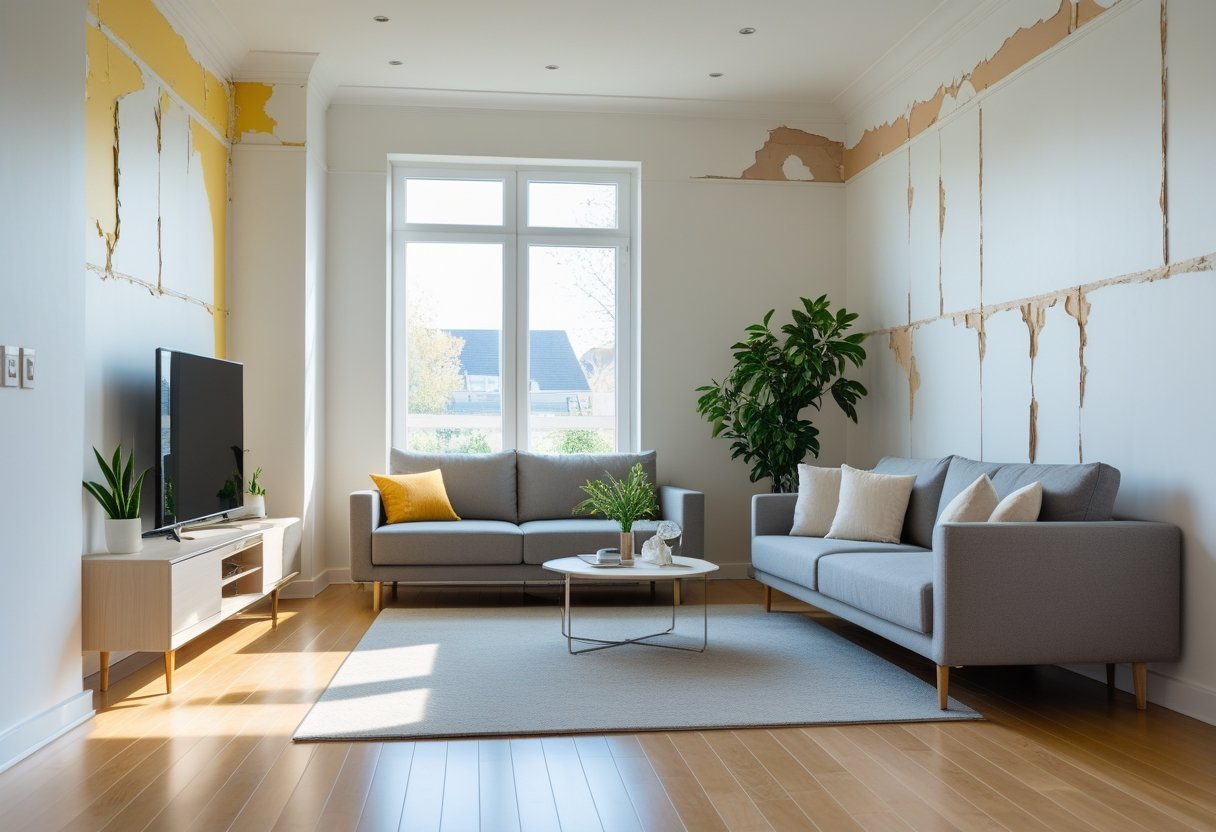
Your walls say a lot about your home. When paint fades, peels, or holds stubborn stains, you lose both protection and polish — and that usually means it’s time to repaint. A fresh coat restores colour and protects surfaces, fixing visible wear and many hidden problems before they get worse.
This post will help you spot signs from scuffs and chalky surfaces to moisture damage and outdated colour choices, and it will point you toward the right paint and finish or when to call a pro. Keep reading to learn when a simple refresh will make a big difference to how your home looks, feels and holds up.
Recognizing Visible Paint Wear
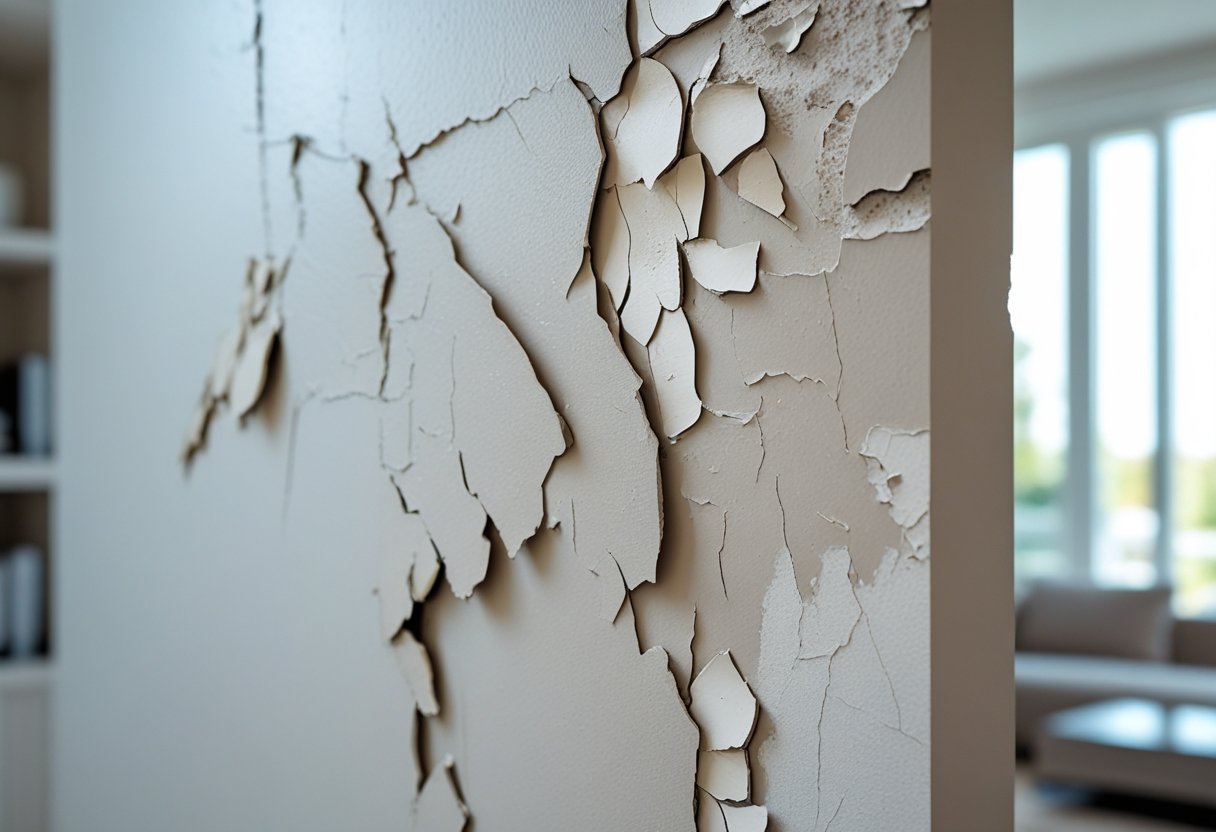
Look for changes that affect how your rooms feel and how well walls protect surfaces. Focus on colour loss, surface breaks, and marks that won’t clean off.
Fading or Discoloured Paint
Sunlight and bright artificial light cause fading paint. Check walls near windows, doors, and south- or west-facing rooms for lighter areas or uneven colour bands. Fading is most noticeable on bold or deep colours; whites and pale neutrals hide it more but can still yellow over time.
Smoke, cooking grease and moisture also cause discolouration. Inspect around stoves, vents, and light fixtures for yellowing or dark patches. If the colour shift is widespread or you want consistent tone, a fresh coat of paint will restore the true colour and improve light reflection.
Peeling, Cracking, or Bubbling Paint
Peeling paint means the top layer separates from the wall and lifts away in strips or flakes. Cracking shows fine lines or bigger breaks in the paint film. Bubbling—small blisters under the surface—often points to trapped moisture, poor adhesion, or paint applied over dirty or glossy surfaces.
Tap or press a bubbled area; if paint flakes, you have paint failure. Check bathrooms, basements and around windows for these signs. You’ll need to remove loose paint, fix moisture sources, sand, prime and then apply a new coat to stop further damage.
Scuffs, Scratches, and Stains That Don’t Wash Off
High-traffic spots—hallways, staircases, and kid or pet areas—often show scuffs and scratches. Use a damp cloth and mild cleaner first. If marks don’t come off, the paint surface has worn thin or lost its protective finish.
Permanent stains from crayon, marker, grease or mould usually require spot-priming and repainting. For recurring marks, choose a more durable interior paint or a tougher sheen (eg. eggshell to satin) to resist future wear and make cleaning easier.
Structural and Functional Issues Indicating Repainting
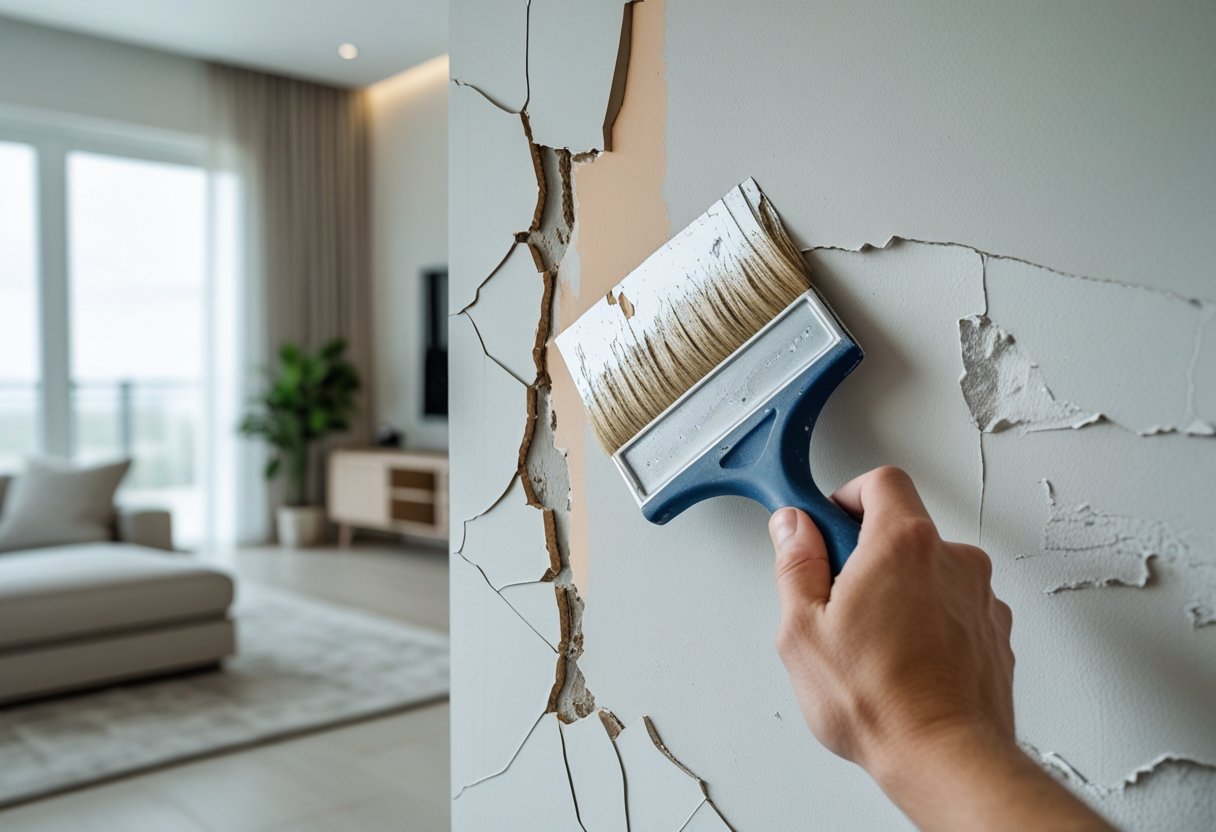
You should look for signs that the paint no longer protects the wall or that wear is causing visible damage. Fixing the surface and choosing the right finish can prevent bigger repairs later.
Surface Damage and Wall Imperfections
When paint peels, cracks, or bubbles, the underlying surface often needs repair before you repaint interior walls. Remove loose paint, sand rough edges, and fill holes or cracks with a suitable filler. Moisture stains, soft spots, or mould patches mean you must find and fix the leak or humidity source first.
Failing to prepare the surface leads to poor adhesion and quick re-failure. Use a primer after repairs so the new coat bonds well and resists peeling. For chalky or powdery walls, clean with a trisodium phosphate substitute, then prime; this avoids trapping residue under new paint.
High-Traffic Areas Showing Heavy Use
Hallways, kitchens, stairwells, and children’s rooms show scuffs, dents, and stains faster than other spaces. Choose satin or semi-gloss finishes in these spots because they clean easily and stand up to washings. If marks don’t come off with a gentle cleaner, repainting will restore a uniform look and protect the wall.
Plan surface preparation for these zones: sand scuffs, fill dents, and apply a durable primer before repainting. Proper prep and a tougher finish cut down on repeat jobs and keep high-traffic areas looking fresh longer.
Aesthetic and Lifestyle Motivations for Repainting
A fresh coat of paint can update your look, fix mismatched rooms, or make the house sell-ready. Think about how colour, finish and current trends affect daily life and property value.
Outdated or Inconsistent Colours
If rooms still wear dated shades from past decades, they can make your whole home feel out of step. Old wallpaper colours, avocado greens, or heavy accent walls can clash with modern furniture and reduce natural light. Repainting with neutral or coordinated palettes brings visual harmony and makes small spaces feel larger.
Colour consultation helps here. A consultant will test swatches under your room’s light and suggest finishes that resist scuffs in high-traffic areas. Choose durable interior painting products—eggshell or satin in living spaces, semi-gloss for trim—to match function with style.
You don’t need to repaint every room at once. Start with common areas like the living room and kitchen to set a new tone, then carry that palette into bedrooms for consistency.
Major Life Events or Preparing to Sell
Major life changes—moving in together, a new baby, or retirement—often call for a fresh interior. Repainting removes personal colours and creates a blank slate that fits your new routine or safety needs, such as low-VOC paints for nurseries.
When you’re preparing to sell, repainting yields a strong return on investment. Neutral tones appeal to more buyers and help photographs look brighter online. Focus on visible areas: foyer, kitchen, living room and master bedroom.
Combine repainting with a brief colour consultation to pick shades that photograph well and match buyer expectations in your market. Professional interior painting and proper prep work reduce touch-ups during showings and speed up sale readiness.
Choosing the Right Paint and Finish
Pick paint that lasts, resists stains, and suits each room’s use. Match paint quality and finish to traffic level, light exposure, and moisture to get the best look and durability.
Selecting High-Quality Paint
Choose a paint with a high pigment load and durable binder; these give better coverage and colour retention. Look for labels that show good hide (coverage per coat) and scrub resistance; these matter in hallways, kitchens and kids’ rooms.
Check for low-VOC or zero-VOC formulas if indoor air quality matters to you. That reduces odour and speeds up re-entry after painting. Also consider one-coat or premium 2-coat products to save time and reduce labour.
Pay attention to sample jars. Test a small 12 cm square on different walls and view it at morning and evening light. That helps you judge true colour and sheen before committing to full cans.
Importance of Paint Finishes
Finish affects appearance, durability and cleanability. Flat and matte hides surface flaws well but cleans poorly. Use flat in low-traffic adult bedrooms or ceilings.
Eggshell and satin give a soft sheen and handle light cleaning. They work well in living rooms and dining rooms. Semi-gloss and gloss are most durable and moisture resistant. Choose them for trim, doors, kitchens and bathrooms.
Match sheen to surface condition: higher sheen highlights imperfections, so prep walls first. If you need frequent washing, pick satin or higher for easier cleaning and longer life.
Moisture-Resistant Paint for Problem Areas
Choose moisture-resistant paint for bathrooms, basements, laundry rooms and kitchens. These formulations include mildew-resistant additives and tighter film formation to slow water vapour penetration.
Use a semi-gloss or satin moisture-resistant product on walls and a high-gloss on trim where water splashes occur. Apply a quality primer designed for damp areas first; primer improves adhesion and blocks stains.
For very damp spaces, consider bathroom-specific paints labelled for high humidity and mould control. Proper ventilation plus moisture-resistant paint gives the best protection over time.
The Value of Professional Interior Painting
Hiring professionals saves you time, ensures correct surface preparation, and delivers a durable finish that protects walls. You get expert colour selection, efficient scheduling, and fewer surprises during the job.
Benefits of Hiring Professional Painters
Professional painters bring training and tools you likely don’t have. They inspect walls for moisture, mould, cracks, and old failing coatings before they start. This prevents repainting over problems that cause peeling or bubbling later.
You save time because crews work faster and follow proven steps. They move furniture, protect floors and trim, and clean as they go. Professionals also use trade-grade paints and primers that cover better and resist stains.
Hiring pros reduces risk of mistakes like uneven sheen or missed spots. They provide a written estimate, timeline, and warranty for touch-ups. If you’re selling or renting, a professionally finished paint job improves curb appeal and buyer confidence.
Professional Strategies for Lasting Results
Good results start with surface preparation. Professionals scrape loose paint, sand rough areas, fill holes, and treat mould or water stains. They prime patched sections so new paint bonds evenly across the wall.
They choose the right finish for each room—matte for living spaces and satin or semi-gloss for kitchens and trim where cleaning is needed. Pros also control environmental factors: they paint within the manufacturer’s recommended temperature and humidity ranges to ensure proper drying.
Application technique matters. Professionals use a mix of brushes, rollers, and sprayers for consistent coverage and crisp edges. They apply the correct number of coats and follow proper dry times, reducing the chance you’ll need touch-ups soon after the job.
Frequently Asked Questions
This section answers exact, practical questions about when to repaint. You’ll get clear signs to watch for, how paint quality fails, timing guidelines, and how to spot damage or wear that needs a fresh coat.
What are the clear indicators that a home’s interior needs repainting?
Look for peeling, cracking, or bubbling paint across walls or ceilings. Those problems show the finish no longer protects the surface.
Notice large, stubborn stains or scuff marks that cleaning won’t remove. Persistent marks in high-traffic areas mean paint has lost its usefulness.
Check for mould or moisture stains in bathrooms, basements, or around windows. That indicates water damage and a need to fix the source before repainting.
How do you determine if the quality of your interior paint has deteriorated?
Run your hand along the wall. A chalky residue or powder means the paint has broken down.
Inspect for uneven colour or patchy sheen under different light. Fading and loss of uniform finish show the paint no longer performs.
Smell the room. Lingering musty or chemical odours after airing out can mean old paint trapped allergens or contaminants.
What role does fading colour play in deciding to repaint inside the house?
Fading changes how a room looks and how light behaves in it. If colours look washed out or uneven near windows, repainting restores original tones.
Consider whether faded walls make furniture and décor clash. If the change affects the room’s feel or function, a fresh coat will correct it.
Are there specific time frames you should follow for repainting your home’s interior?
Plan to repaint every 5–7 years for most living spaces. High-traffic rooms like halls, kitchens, and kids’ rooms may need paint every 2–4 years.
Ceilings and low-traffic rooms can go longer without repainting. Adjust timing based on sunlight, humidity, and how often you clean the walls.
How can you tell if the walls of your house require a fresh coat of paint due to damage?
Look for soft spots, blistering, or paint pulling away from the surface. Those signs point to moisture or substrate failure that needs repair and repainting.
Check for cracks that run through the paint into drywall or plaster. Structural or settling cracks require patching before you repaint.
What signs of wear and tear would necessitate a new interior paint job?
Frequent scratches, dents, and worn edges around doorways and corners show normal wear that paint can hide. When these marks build up, repainting restores a clean look.
If the finish won’t clean up with mild soap and scuffs keep returning, choose a more durable finish and repaint. Durable paints make future upkeep easier.
Related Posts

January 26, 2026
Interior Painting in Winter: A Smart Choice for Your Home
When temperatures drop, many homeowners put renovation projects on pause. However, interior painting doesn’t need…
January 23, 2026
Hiring a House Painter in Markham? 7 Red Flags to Watch Out For in 2026
Hiring a House Painter in Markham? 7 Red Flags to Watch Out For in 2026…

January 19, 2026
Top 10 Tips for a Perfectly Painted Home in Markham
Painting your home is one of the most effective ways to refresh your space, increase…
January 13, 2026
Professional Wall Painting Services in Markham: Transform Your Home Today
You can give your home a fresh, lasting look with professional wall painting services in…