Choosing the right interior paint colors for your home is one of the most impactful design decisions you can make. Color affects mood, space perception, lighting, and even how modern or timeless your home feels. For homeowners in Markham, where architectural styles range from contemporary builds to traditional family homes, selecting the perfect palette requires a thoughtful balance of personal taste, environmental lighting, and regional design trends.
Whether you are refreshing a single room or planning a full-home transformation, understanding how to choose interior paint colors properly can help you avoid costly mistakes and achieve a cohesive, visually appealing result.
Understanding Your Markham Home’s Unique Character
Every home has its own architectural personality, and in a diverse city like Markham, this becomes even more important. Some homes feature open-concept layouts with modern finishes, while others have more segmented, traditional floor plans. Your paint color choices should enhance—not fight against—your home’s natural structure.
Start by identifying your home’s dominant features:
- Flooring tone (light oak, dark walnut, tile, etc.)
- Cabinet finishes in kitchens and bathrooms
- Trim and molding colors
- Natural architectural materials (brick, stone, wood accents)
For example, a home with warm wood flooring and beige stone accents will feel more cohesive with warm neutrals, while a modern home with white cabinetry and glass features can support cooler greys, whites, and soft blues.
Another key consideration is flow. In many Markham homes with open layouts, color continuity is essential. Instead of drastically different shades in each room, choose a cohesive palette with slight variations to maintain harmony throughout the space.
The Role of Lighting in Paint Color Selection
Lighting can completely transform how a paint color appears. A shade that looks soft beige in a store may turn yellow or grey depending on your home’s lighting conditions.
There are three main types of lighting to consider:
Natural Light
North-facing rooms tend to receive cooler, indirect light, which can make colors appear more muted or slightly blue. South-facing rooms, on the other hand, receive warmer light, enhancing yellows, reds, and earthy tones.
Artificial Light
LED, fluorescent, and incandescent lighting all impact color differently. Warm bulbs enhance cozy tones, while cool LEDs sharpen whites and greys.
Time of Day Changes
Paint colors shift throughout the day. A well-chosen shade should look appealing in both morning daylight and evening artificial lighting.
Before committing to a color, always test samples on multiple walls and observe them at different times of day. This step alone can prevent expensive repainting later.
Color Psychology and Creating the Right Mood
Color has a direct impact on mood and behavior, which is why interior designers use color psychology as a guiding principle.
- Blues and greens promote calmness and relaxation, making them ideal for bedrooms and bathrooms.
- Warm neutrals like beige and taupe create a welcoming and cozy environment.
- Yellows and soft oranges add energy and warmth, suitable for kitchens or dining areas.
- Greys and whites offer a clean, modern aesthetic but can feel cold if not balanced with texture or accent colors.
When selecting paint colors for your home, consider how each room is used. A living room should feel inviting and social, while a home office may benefit from a more focused and neutral palette.
Matching Paint Colors to Interior Design Style
Your home’s interior design style plays a major role in determining the best paint colors.
Modern and Contemporary Homes
These homes often benefit from neutral palettes such as white, charcoal, and cool greys. Accent walls in deep navy or forest green can add sophistication without overwhelming the space.
Traditional Homes
Warm neutrals like cream, soft brown, and muted gold work well. These colors complement detailed moldings and classic furniture styles.
Scandinavian-Inspired Spaces
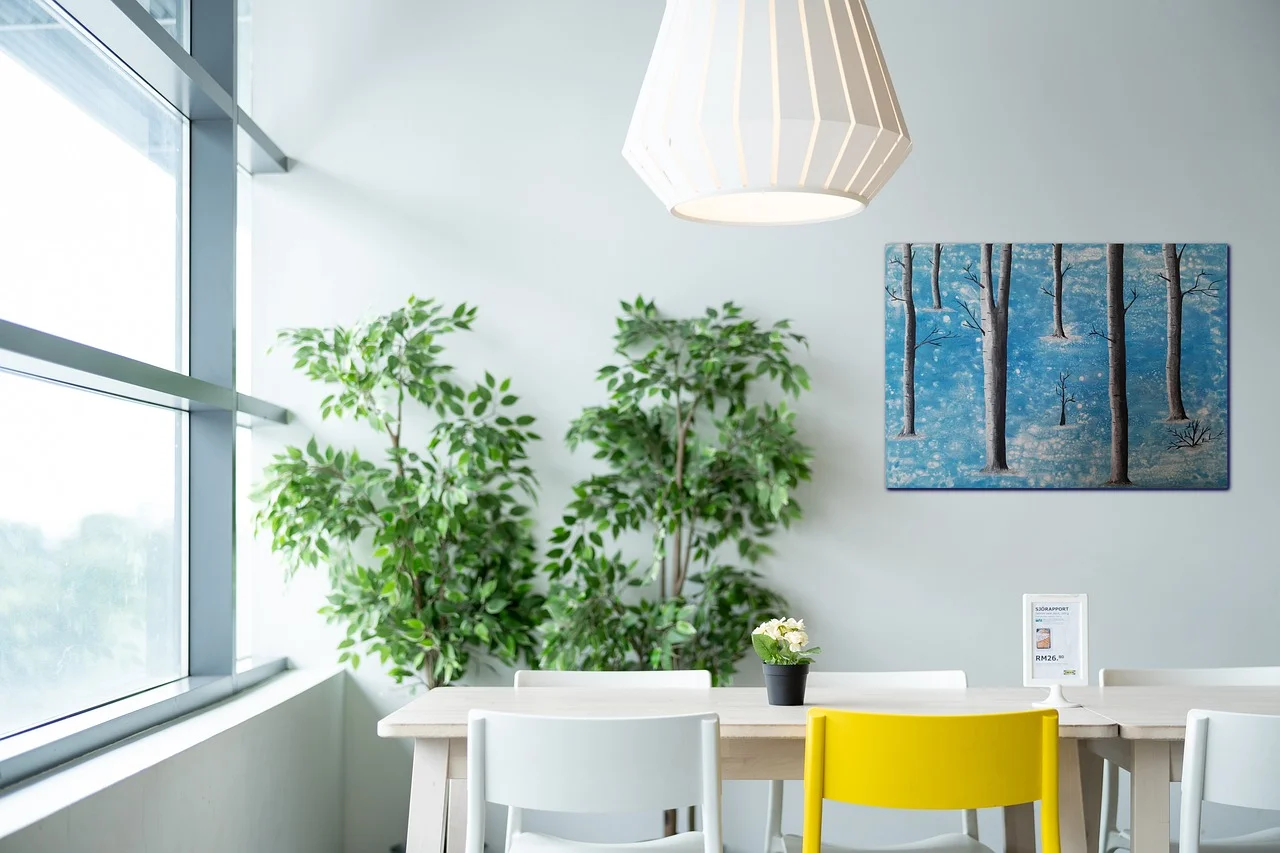
Light, airy tones such as soft white, pale grey, and muted pastels enhance simplicity and natural light.
Industrial Interiors
Darker tones like slate grey, black accents, and exposed concrete-inspired finishes work well in industrial-style spaces.
Consistency is key. The goal is not to match every room identically but to ensure a smooth visual transition throughout the home.
Testing Paint Samples Before Committing
One of the most overlooked steps in choosing interior paint colors is proper sampling. Paint can look drastically different on a small swatch compared to a full wall.
Here are best practices for testing:
- Paint large sample patches (at least 2×2 feet)
- Apply samples on different walls within the same room
- Observe colors in both natural and artificial light
- Compare adjacent rooms to ensure flow and consistency
Avoid rushing this step. Spending a few days evaluating samples can save you from long-term dissatisfaction.
Choosing Professional Help for Better Results
While DIY painting is possible, many homeowners prefer working with professionals to ensure quality and efficiency. Hiring experts for interior painting services ensures proper surface preparation, accurate color matching, and long-lasting finishes.
Professional painters also help with:
- Wall repair and priming
- Texture correction
- Clean edging and trim work
- Efficient project completion with minimal disruption
In addition, professionals often provide guidance on trending color palettes and finishes that suit your home’s structure and lighting conditions.
Regional Design Trends in the Greater Toronto Area
Home design trends vary by region, and the Greater Toronto region is no exception. Many homeowners look for modern yet timeless styles that reflect both urban sophistication and suburban comfort.
When considering Interior House Painting in Toronto Area, trends often include:
- Soft neutral palettes with warm undertones
- Matte finishes for a modern, elegant look
- Accent walls in deep greens, navy blues, or earthy terracotta
- Minimalist white trims paired with subtle wall contrasts
Homes in nearby cities such as Toronto often emphasize open, bright interiors that maximize natural light. This influences surrounding areas like Markham, where homeowners frequently blend modern aesthetics with comfortable, family-friendly designs.
Regional climate also plays a role. Long winters and limited daylight hours mean many homeowners prefer warm, inviting interiors that feel cozy year-round.
Common Interior Painting Pitfalls to Avoid
Even with good planning, it’s easy to make mistakes during a painting project. Understanding potential issues in advance can help you avoid unnecessary frustration and cost.
One of the most common issues involves underestimating how paint will look after drying. Colors often appear darker or more saturated once fully cured. Another frequent mistake is ignoring undertones—two beige paints may look similar but have completely different warm or cool bases.
Lighting mistakes are also common. Choosing a color based solely on store lighting often leads to disappointment at home.
Finally, skipping primer or using low-quality paint can result in uneven coverage and faster wear.
Avoiding Costly Decisions and Improving Long-Term Satisfaction
Understanding Interior Painting Mistakes is essential for achieving a professional-quality result. Some of the most frequent errors include:
- Choosing paint without testing samples
- Ignoring lighting conditions
- Using too many contrasting colors in open spaces
- Not preparing walls properly before painting
- Overlooking how furniture and decor will interact with wall colors
Avoiding these mistakes helps ensure your final result feels cohesive, balanced, and intentional. Paint should enhance your home, not compete with it.
Final Thoughts: Creating a Balanced and Beautiful Home Interior
Choosing the best interior paint colors for your Markham home is both an art and a science. It requires careful consideration of lighting, architecture, personal style, and regional trends. By taking a structured approach—testing colors, understanding your home’s natural characteristics, and considering professional guidance you can achieve a space that feels both beautiful and functional.
Whether you prefer warm, cozy interiors or clean, modern aesthetics, the right paint colors can completely transform your living environment. In a diverse and evolving housing market like Markham and the surrounding Toronto region, thoughtful color selection is one of the most powerful tools for creating a home that truly reflects your personality and lifestyle.