
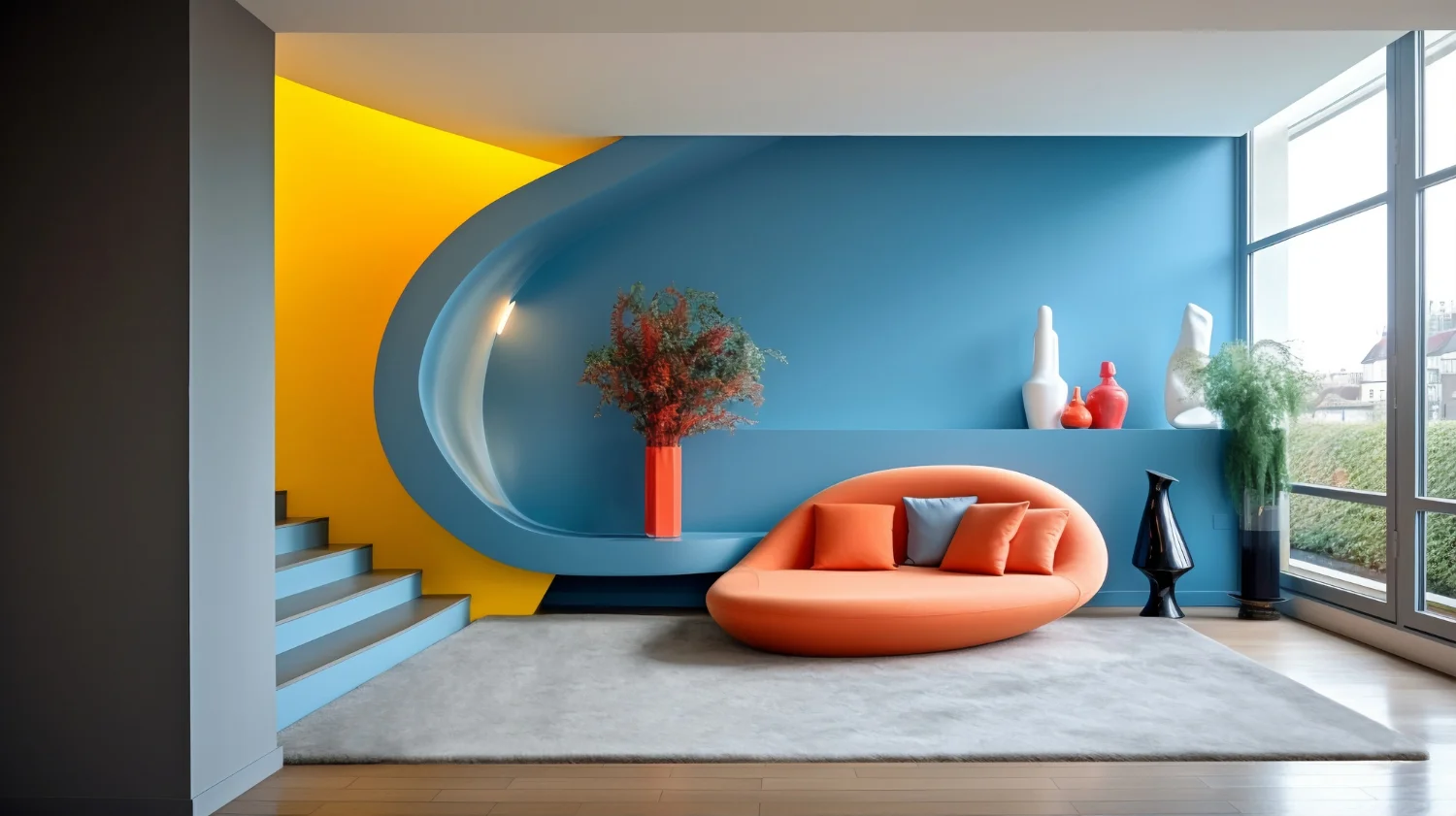
Choosing the right paint color can completely transform a small room. With smart color selection and thoughtful design, even the tiniest spaces can feel open, airy, and inviting. Whether you’re redesigning a bedroom, living room, or home office, the right approach to interior house painting plays a crucial role in enhancing both space and style.
Why Paint Color Matters in Small Rooms
Paint is more than just decoration it directly affects how we perceive space. Light-reflecting shades can make walls appear farther apart, while darker or contrasting tones can make a room feel more enclosed.
In small spaces, the goal is usually to:
- Maximize light reflection
- Create visual continuity
- Avoid harsh contrasts
By understanding how colors interact with light and space, you can make a room feel significantly larger without structural changes.
Best Interior Paint Colors for Small Rooms
1. Soft Whites and Off-Whites
Soft whites are among the most effective colors for small rooms. Unlike stark white, warmer tones like ivory or cream create a cozy yet spacious atmosphere.
Why they work:
- Reflect maximum light
- Create seamless boundaries
- Adapt to any décor style
Best for: Living rooms, hallways, and low-light spaces
2. Light Gray and Greige
Light gray and greige (gray + beige) provide a modern, sophisticated look without overwhelming a small space.
Benefits:
- Neutral yet stylish
- Enhances natural and artificial lighting
- Works well in monochromatic schemes
These shades maintain openness while adding depth to the room.
3. Soft Blues
Light blue shades such as sky blue or powder blue create a calming and expansive feel.
Why they’re effective:
- Cool tones recede visually
- Mimic open sky and water
- Add serenity and brightness
Best for: Bedrooms and bathrooms
4. Pale Greens
Nature-inspired greens like sage or mint are excellent for small spaces.
Advantages:
- Refreshing and calming
- Brings an outdoor feel indoors
- Adds subtle color without heaviness
5. Soft Pastels
Pastels such as blush pink, lavender, and pale peach can make a room feel airy and welcoming.
Key benefits:
- Add personality without overwhelming
- Maintain a light, open atmosphere
- Ideal for creative or cozy spaces
6. Warm Neutrals (Beige & Cream)
Warm neutrals strike a balance between brightness and comfort.
Why choose them:
- Make spaces feel inviting
- Avoid the coldness of pure white
- Blend well with furniture and décor
7. Bold Colors (Used Strategically)
Contrary to common belief, darker shades like navy blue or deep green can work in small rooms.
How to use them:
- Apply on one accent wall
- Pair with lighter tones
- Use in well-lit areas
These colors add depth and sophistication when used carefully.
Smart Painting Techniques to Maximize Space
Use a Monochromatic Color Scheme
Using varying shades of the same color creates continuity and avoids visual breaks, making the room feel larger.
Paint Walls, Trim, and Ceiling the Same Color
This technique blurs edges and eliminates boundaries, giving the illusion of more space.
Choose the Right Finish
- Satin or semi-gloss: Reflect light and enhance brightness
- Matte: Creates a soft, cozy look
- Gloss (limited use): Adds dimension through reflection
Maintain Color Flow Across Rooms
Using a consistent palette throughout your home improves visual continuity and makes spaces feel connected.
Common Mistakes to Avoid
Even the best colors won’t work if applied incorrectly. Some frequent mistakes include:
- Using too many contrasting colors
- Ignoring lighting conditions
- Choosing overly dark shades without balance
- Neglecting ceiling color
If you want to avoid these pitfalls, check out this helpful guide on common painting mistakes homeowners should avoid for practical insights and expert advice.
Final Thoughts
Selecting the best interior paint colors for small rooms is all about balance—light, tone, and continuity. Soft neutrals, cool tones, and strategic use of bold shades can dramatically transform compact spaces into open and stylish environments.
By applying the right interior house painting techniques and color choices, you can create a home that feels bigger, brighter, and more inviting—no renovation required.
Related Posts

May 6, 2026
How to Choose the Best Interior Paint Colors for Your Markham Home
Choosing the right interior paint colors for your home is one of the most impactful…

April 6, 2026
Step-by-Step Guide to Painting Your Home’s Interior
Refreshing your living space with a new coat of paint is one of the most…

March 30, 2026
Top Interior Paint Color Trends in Markham Homes
This article explores the latest interior house painting trends in Markham, providing homeowners with…

March 24, 2026
Room-by-Room Painting Guide for Markham Homeowners
Living in Markham, I recently had my home professionally painted, and the experience taught me…
